Knitted Fabrics
Loops rather than crossings — which is why knits stretch, recover and behave nothing like a woven on the cutting table.
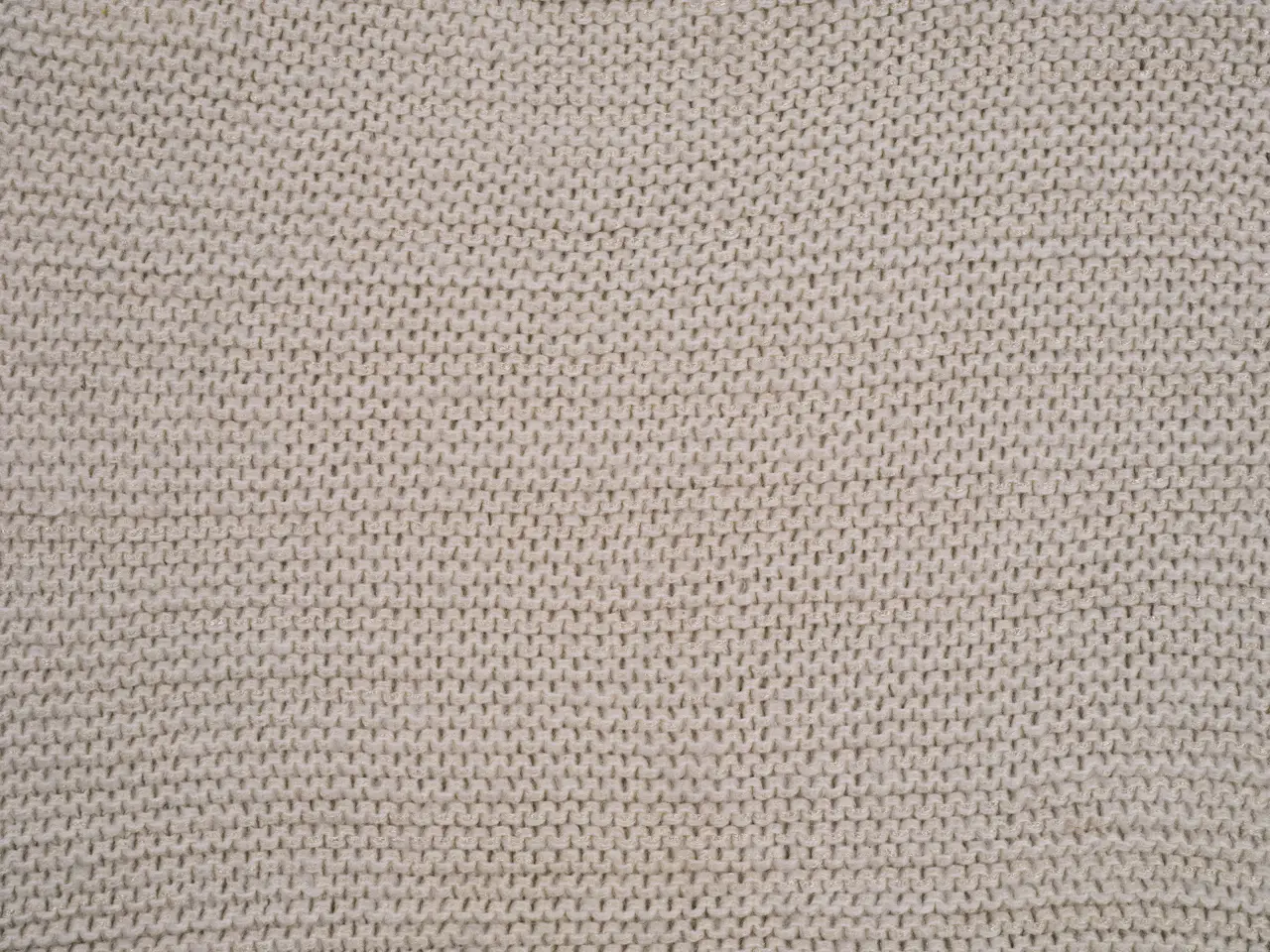
A knitted fabric is built from interlocking loops rather than interlaced warp and weft. That single structural difference produces everything a buyer associates with jersey: stretch in both directions without elastane, recovery after extension, and a soft, close hand. It also produces the problems — knits curl at the edge, run when a loop is broken, and change dimension far more readily than a woven of the same weight.
The knit structure decides the garment. Single jersey is the lightest and most common, with a smooth face and looped back, and it is what most T-shirts are made from; it also curls at the edges and needs a stable neckline. Interlock is double-knitted, so it is heavier, more stable and does not curl, making it the better choice for structured tops and childrenswear. Rib gives strong lateral stretch and is used for cuffs, collars and close-fitting bodies. Punto roma is firmer again and holds a shape close to a woven. French terry, sweatshirt and fleece add looped or brushed backs for weight and warmth. Pique carries a fine textured surface and is the classic polo cloth.
Weight in knits is quoted in GSM but interpreted differently from wovens: a 140 GSM single jersey is a light summer T-shirt, 180 to 200 GSM is a substantial everyday tee, and 280 to 320 GSM covers sweatshirt and hoodie territory. Elastane at three to five percent is common in fitted styles for recovery, and its presence changes both the sewing setup and the wash.
Fabric Types
Recommended Applications
Production Notes
- Relax knitted fabric before cutting; cutting straight off the roll is the main cause of twisted side seams.
- Single jersey curls at raw edges — necklines and hems need ribbing, binding or coverstitch.
- Use ballpoint needles and stretch stitching; a straight lockstitch on jersey will snap in wear.
Request a Quote
Share the specification you are working to and our team will help you evaluate the right fabric options.